.png)
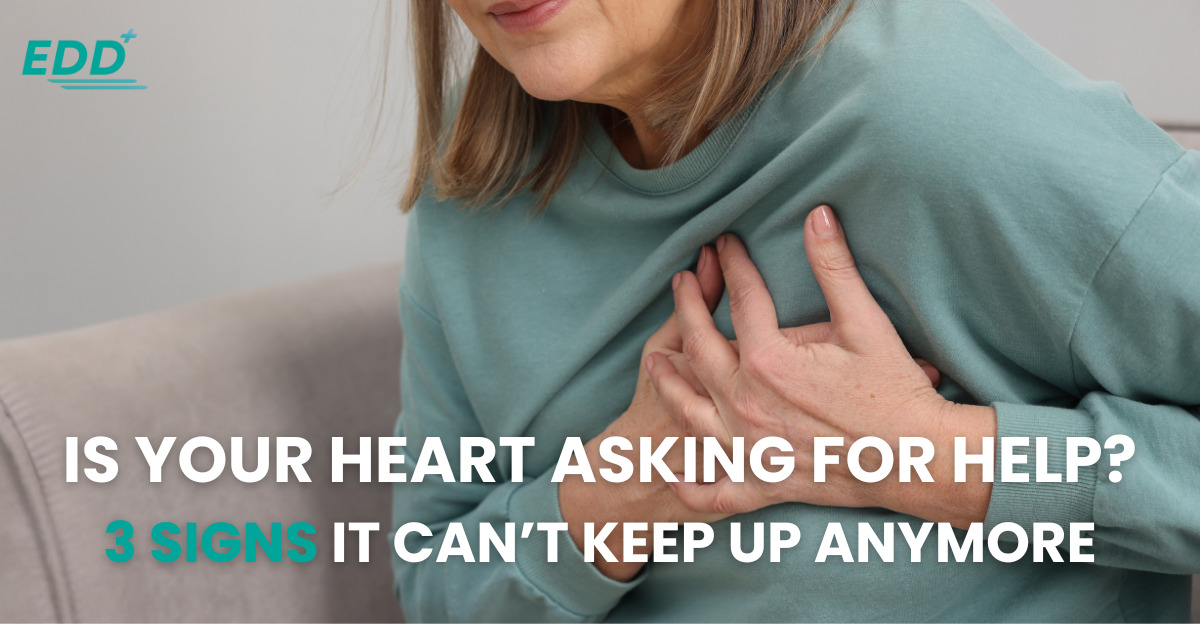
Three Warning Signs Your Heart Is Struggling: How to Recognize Early Heart Failure Symptoms
Why Your Heart’s “Silent Signals” Matter
Your heart works like a tireless 24/7 blood courier, delivering over 7,000 liters of blood every single day.
But when this hardworking organ begins to “slow down” or work inefficiently, your body sends out multiple warning signals — such as swollen legs, shortness of breath after climbing just one flight of stairs, or extreme fatigue.
These aren’t signs of simply “getting older.” They may be your heart saying: “I can’t keep up anymore!”
Even more alarming, the five-year mortality rate of heart failure is higher than many cancers, yet the condition is often overlooked.
Today, let’s decode your heart’s “Morse code” and learn how to identify these life-saving signals.
Three Major Warning Signs of Heart Failure
1. Leg Swelling (Edema): An Early Indicator of a Weak Heart
When the heart’s pumping function weakens, blood circulation slows down and begins to pool in the lower limbs — similar to a traffic jam.
Common signs include:
- Indentation after pressing the ankle that takes a long time to bounce back
- Shoes feeling tighter due to swelling during the day
- Sudden weight gain (actually water retention, not fat)
- Swelling usually starts from the ankles and gradually spreads upward
Self-check tip:
Press the shin (tibia) area for 5 seconds.
If the indentation lasts longer than 3 seconds, it’s a red flag.
Leg Swelling (Edema): An Early Indicator of a Weak Heart
2. Shortness of Breath During Activity: Clear Evidence of Poor Heart Function
When the heart cannot supply enough blood, even daily tasks become overwhelming.
You may experience
- Feeling breathless doing activities that used to be easy (stairs, groceries)
- Difficulty breathing even during simple chores (folding laundry, washing dishes)
- Waking up at night gasping for air, needing to sit upright to breathe comfortably
Important: Many people mistake this for “lung problems,” but it can actually be caused by the heart.
3. Unusual Fatigue: A Hidden but Serious Symptom
This type of fatigue is different from regular tiredness.
You may notice:
- Feeling drained even after resting
- Needing a long recovery time after light activity
- Feeling sleepy during the day but having poor sleep quality at night
Key difference:
Regular fatigue improves with rest;
heart-failure fatigue persists or worsens.
Feeling sleepy during the day but having poor sleep quality at night
When Should You See a Doctor?
You should consult a cardiologist promptly if you experience:
1. Leg swelling lasting more than one week
2. Breathlessness affecting your daily life
3. Unexplained or worsening fatigue
Diagnosis tip:
An echocardiogram (heart ultrasound) provides an accurate assessment of heart function and takes only 15–20 minutes.
Feeling drained even after resting
High-Risk Groups Who Should Pay Extra Attention
People with the following conditions are at higher risk of heart failure:
1. Long-term high blood pressure
2. Diabetes
3. Smoking habits
4. History of heart attack
Heart-failure symptoms are often mistaken for aging or lack of exercise.
If these signs persist, early detection is crucial to avoid missing the golden treatment window.
Disclaimer
The above information is for reference only and should not be taken as medical advice.
It does not replace consultation with a qualified healthcare professional regarding your personal health condition.