.png)
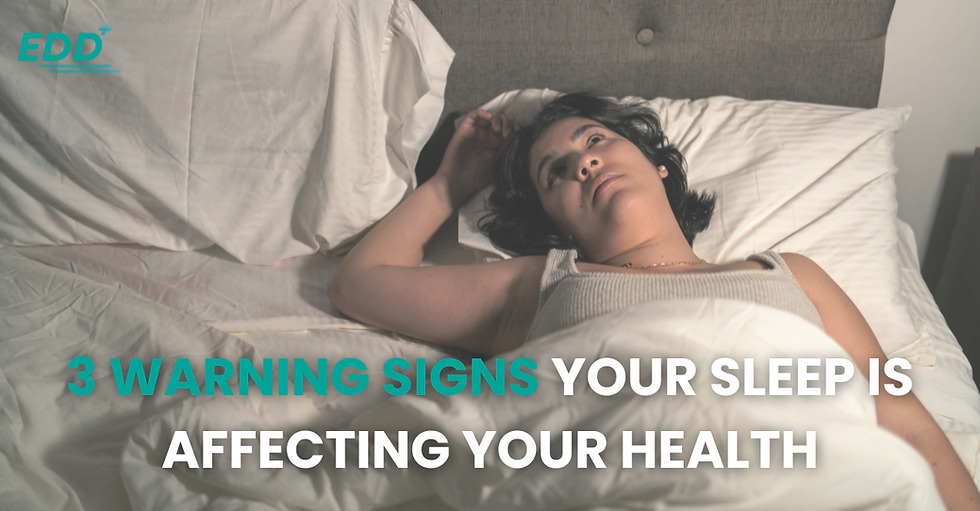
The Health Risks of Poor Sleep: 3 Essential Warning Signs You Shouldn’t Ignore
The Health Risks of Poor Sleep: 3 Essential Warning Signs You Shouldn’t Ignore
Are You Still Staying Up Late? Lack of Sleep Is a Slow Suicide — 3 Warning Signs You Shouldn’t Ignore
Sleep is not just a basic physiological need—it is a crucial foundation for maintaining overall physical and mental balance. Yet, chronic sleep deprivation has become increasingly common in modern life, posing serious risks to long-term health. When we remain in a state of “never fully rested,” our bodies quietly suffer damage on multiple levels.
The Wide-Ranging Impact of Sleep Deprivation
Emotional imbalance is one of the most immediate signs of insufficient sleep. The brain regions responsible for emotional regulation become overly active, leading to irritability, anxiety, or even depressive tendencies. Studies show that people who are sleep-deprived for consecutive days exhibit stronger negative emotional responses and significantly reduced positive emotions.
In terms of cognitive function, lack of sleep severely affects attention, memory, and decision-making. Impairment of the prefrontal cortex makes it difficult to stay focused, resulting in decreased work efficiency. Even more concerning, chronic sleep deprivation may accelerate brain aging and increase the risk of dementia.
The Health Risks of Poor Sleep
Silent Alarms from Your Cardiovascular System
The link between sleep and cardiovascular health is often underestimated. Long-term sleep deprivation can lead to:
1. Elevated blood pressure
2. Increased inflammatory markers
3. Impaired blood sugar regulation
These changes significantly raise the risk of atherosclerosis, which may result in heart attacks or strokes. Notably, even younger individuals are not exempt—sleep debt accumulates quietly and often manifests as cardiovascular issues later in life.
Three Red-Flag Symptoms You Must Not Ignore
When the following symptoms appear, it means your body is sending out serious distress signals:
1. Persistent Difficulty Falling Asleep
Taking more than 30 minutes to fall asleep, occurring at least three times per week.
2. Daytime Dysfunction
Noticeable fatigue, inability to concentrate, or emotional instability during the day.
3. Physical Discomfort
Frequent headaches, digestive issues, or heart palpitations.
Tired
Lifestyle Adjustments That Make a Difference
Prevention is better than cure. The following habits can significantly improve sleep quality:
- Establish a consistent sleep schedule (including weekends)
- Create a dark, cool, and quiet sleep environment
- Avoid blue-light exposure after dinner; use warm lighting instead
- Limit caffeine intake after 3 p.m.
- Practice mindfulness meditation or progressive muscle relaxation
Create a dark, cool, and quiet sleep environment
Sleep problems reflect deeper lifestyle imbalances. Ignoring your body’s need for rest will eventually lead to serious health consequences. Rather than relying on short-term fixes, adjusting your daily rhythm is the most effective way to build long-lasting sleep health.
If you already experience significant sleep disturbance, consider seeking medical consultation early. A qualified physician can help create a personalized treatment plan tailored to your needs.
This content is for informational purposes only and should not be considered medical advice or a replacement for professional consultation.
About EDD Health Thailand
EDD Health Thailand is a trusted telehealth platform providing convenient, reliable, and doctor-supervised medical services for users across the country.
We offer online consultations, prescription services, and fast medication delivery — ensuring safe, accessible, and high-quality healthcare for everyone, anytime.